
Jul
Why Buying a Second-Hand Bike Helmet on Marketplace is a Deadly Gamble
Published for Aussie parents who just want their kids to ride safe.
You’re scrolling Facebook Marketplace at 11pm, half-watching a show, half hunting for a bargain. A listing pops up: “Kids bike helmet, barely used, $15.” The photo looks fine. The size looks right. Your thumb hovers over “Message Seller.”
Stop right there.
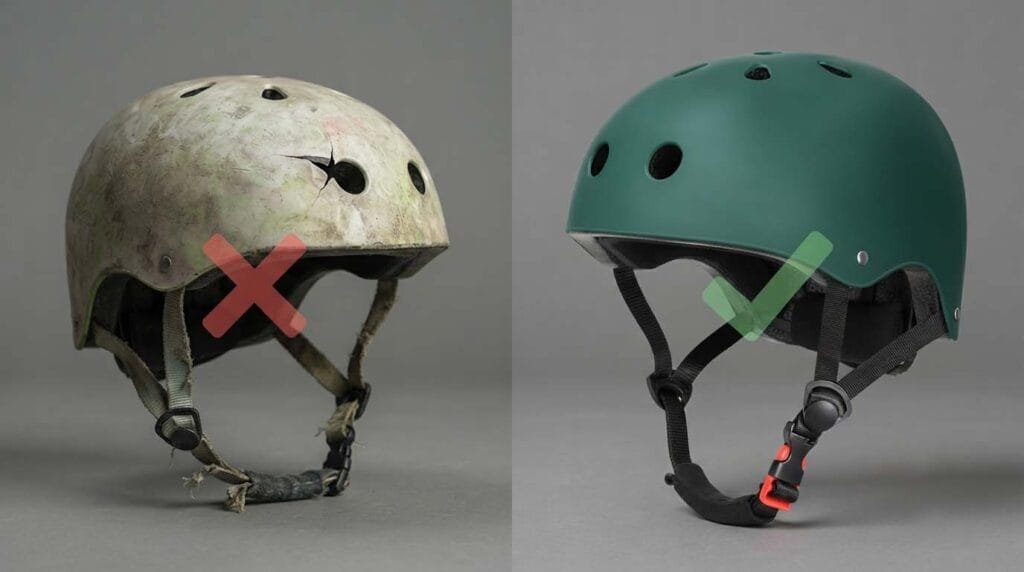
A bicycle helmet is not a hand-me-down toy or an outgrown pair of shoes. It’s a single-use safety device, engineered to destroy itself once and only once to save your child’s skull. Buying one second-hand from a stranger online isn’t a savvy parenting hack. It’s a gamble with your kid’s brain, and the house almost always wins.
Let’s break down exactly why, and what to do instead.
The Big Problem: You Can’t See the Damage
Here’s the uncomfortable truth about helmets: the worst damage is invisible.
A helmet’s job is to absorb impact energy by crushing its foam liner. Once that foam has compressed even slightly, even in a “minor” tumble off a skateboard or a low-speed bike stack it doesn’t spring back. It stays compressed at a microscopic level, even if the outer shell looks perfectly fine.
That means a helmet can:
- Look brand new
- Have zero visible cracks
- Photograph beautifully for a Marketplace ad
…and still be structurally useless in a real crash.
You have no way of knowing if the previous kid dropped it off a balcony, left it baking in a hot car for two summers, or wore it through a genuine crash before deciding to sell it “like new.” The seller may not even know either.
Understanding Structural Fatigue: The Silent Killer
This is the part most parents never think about, and it’s the reason helmet manufacturers and safety bodies recommend replacement every few years not just after a crash.
Sweat, Skin Oils and Cosmetic Products Break Down Foam
Every ride, a child’s scalp sweats into the foam liner. Add sunscreen, hair gel, or the greasy residue from sunny Aussie afternoons, and you’ve got a slow chemical assault. Oils and cosmetic chemicals degrade the EPS (expanded polystyrene) foam from the inside, breaking down its cell structure over months and years. The shell stays shiny. The foam underneath quietly turns brittle.
UV and Heat Exposure Weaken the Shell
A helmet left on a bike rack in Australian sun, or baking in the back seat of a car, absorbs UV radiation and heat cycles that make the outer polycarbonate shell more brittle and less able to distribute impact force.
Hairline Foam Fractures You’ll Never See
A prior impact even one the seller genuinely forgot about, like the helmet rolling off a table or being sat on in a school bag can create hairline fractures deep inside the EPS foam. These micro-fractures don’t show on the surface. They only reveal themselves the next time the helmet is asked to do its job and fails.
Put simply: structural fatigue is invisible, cumulative, and impossible to verify from a photo or a five-minute pickup in a Bunnings car park.
“But I’ll Inspect It First” Fair Enough. Here’s How
If you’re still tempted, or you’re inspecting a hand-me-down from a family member (a slightly safer scenario, since you know its history), here’s the minimum checklist before it goes anywhere near your child’s head:
1. Find the Manufacturing Date Sticker
Every certified helmet has a manufacture date stamped inside the shell or on a liner label. Most manufacturers recommend replacing a helmet every 3–5 years from that date, regardless of visible damage. If there’s no sticker, or it’s been removed, walk away you can’t verify age or compliance.
2. Inspect the Shell for “Crinkle” Lines
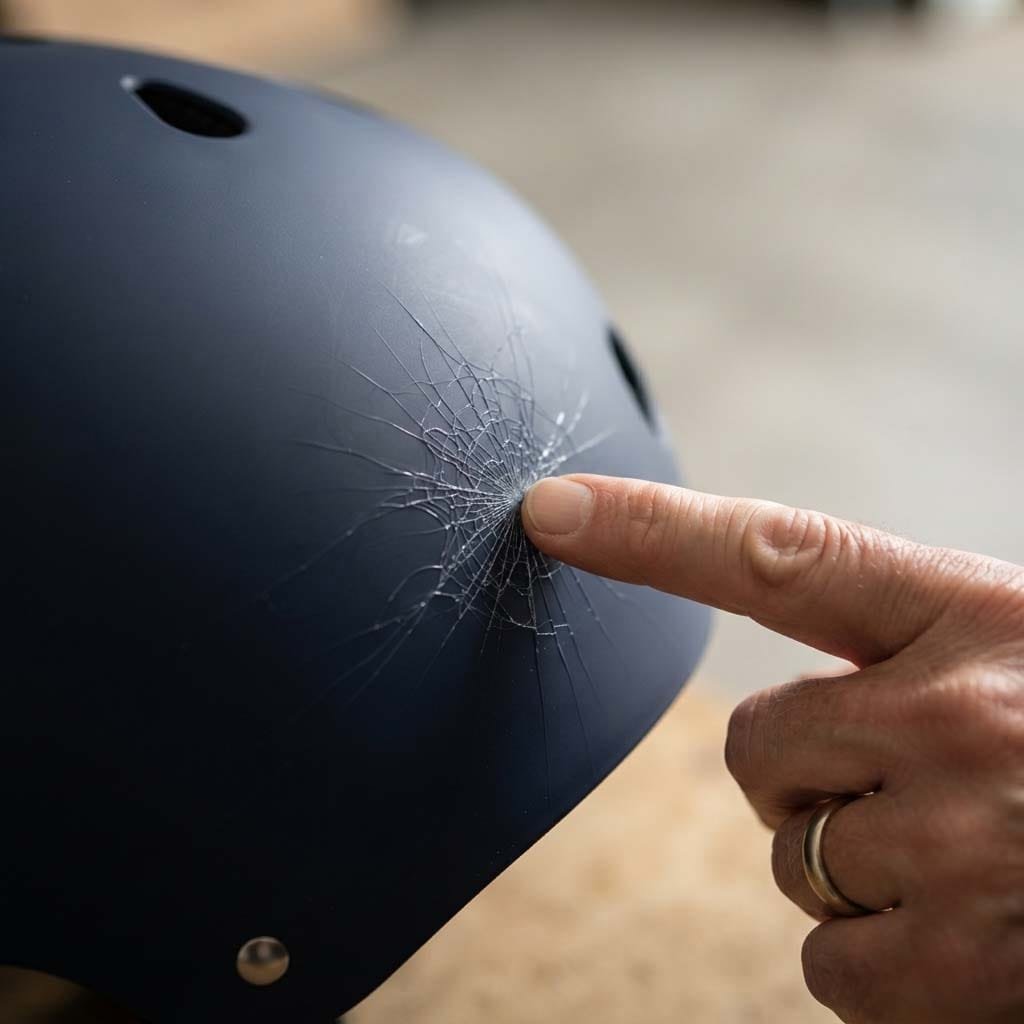
Hold the helmet up to bright light and tilt it. Look closely at the outer shell for faint spider-web or “crinkle” lines in the plastic these are stress marks from a prior impact. They can be almost invisible under normal light but show up under angled sunlight or a torch.
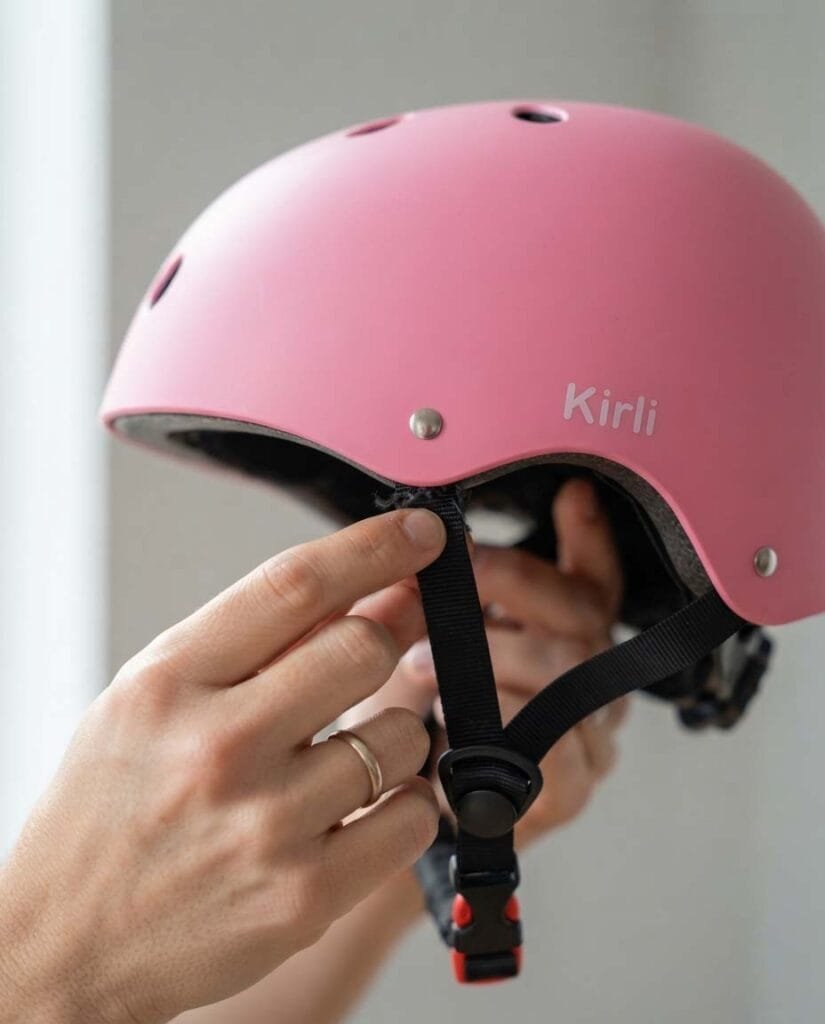
3. Pull on the Strap Rivets
Firmly tug the chin strap where it attaches to the shell (the rivet points). If you feel any give, fraying, or the strap pulls loose slightly, that’s dry rot or a failing rivet a helmet is only as good as the strap holding it on during a fall.
4. Press-Test the Foam
Gently press your thumb into the EPS foam in several spots. It should feel uniformly firm. Soft, crumbly, or inconsistent patches suggest degradation or a prior crush.
5. Check for a Compliance Sticker
In Australia, look for the AS/NZS 2063 compliance mark. No sticker, no sale full stop.
The Baseline Rule Every Parent Should Live By
If you don’t know the complete personal history of a helmet every fall, every hot car afternoon, every time it rolled off a shed shelf don’t put your child’s life in it.
That’s not scaremongering. It’s the same logic we apply to expired medication or a car with no service history: when the cost of being wrong is catastrophic and irreversible, “probably fine” isn’t good enough.
The good news? You genuinely don’t need to spend big to get real protection. Certified, brand-new helmets are available at genuinely affordable prices often for less than a second-hand “bargain” once you account for the risk.
Skip the Gamble: Get a Brand-New, Certified Helmet Instead
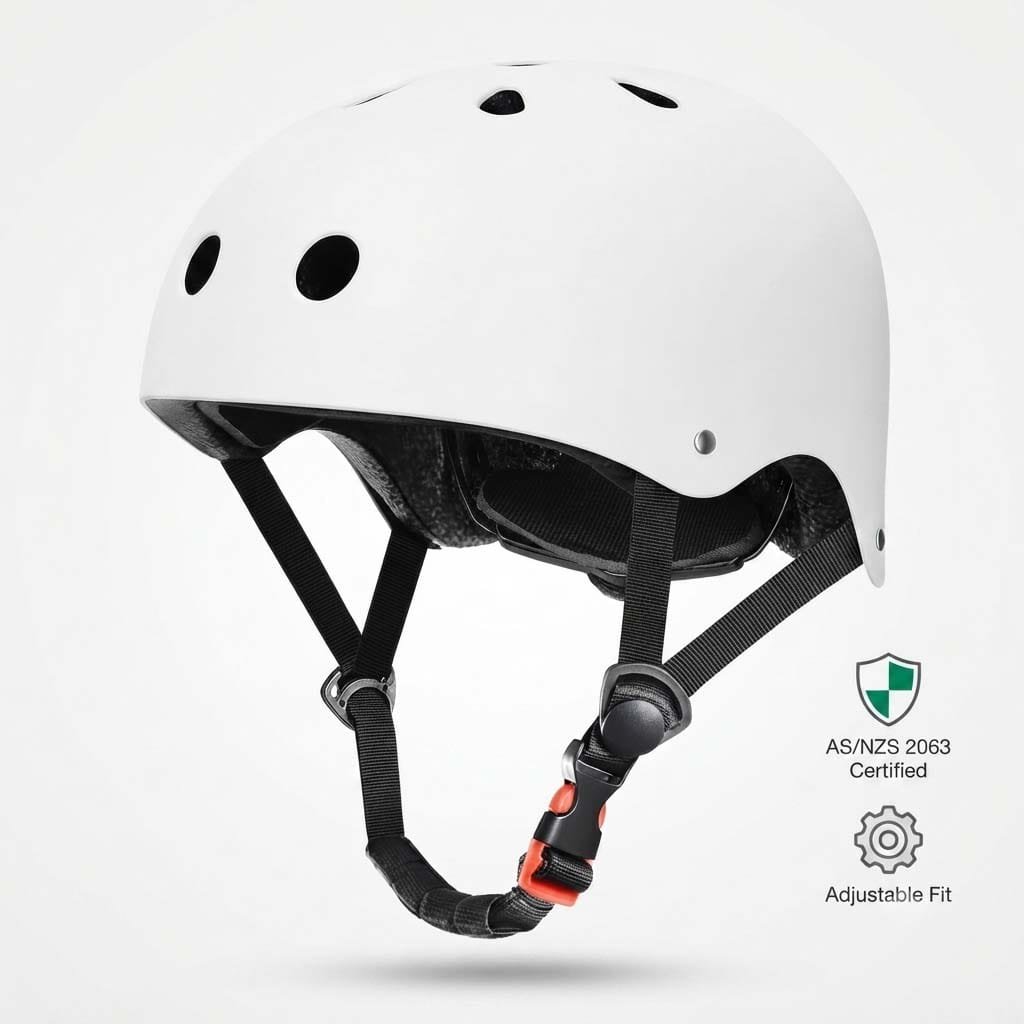
If your child rides a bike, scooter, or skateboard, the safest and most cost-effective move is a new, AS/NZS 2063:2008 certified helmet with a known history starting fresh, with full protection guaranteed from day one.
The Kirli Skateboard & Bicycle Helmet is a great example of what “budget-friendly and genuinely safe” looks like: a reinforced ABS shell over shock-absorbing EPS foam, a removable liner for hygiene, a 12-vent cooling system, and an adjustable dial fit for growing heads all AS/NZS 2063:2008 certified, and priced closer to what you’d pay for a “used” one on Marketplace anyway.
When it comes to head protection, new isn’t a luxury. It’s the whole point.
Quick FAQ
Q: Is it ever okay to reuse a helmet from an older sibling?
A: Only if you know for certain it’s never been in a crash, is within the manufacturer’s recommended age window, passes the inspection checklist above, and still carries a legible compliance sticker.
Q: How often should a helmet be replaced even without a crash?
A: Most manufacturers recommend every 3–5 years due to material degradation from sweat, sun, and general wear even with no visible damage.
Q: What’s the single biggest red flag on a Marketplace listing?
A: No visible manufacturing date or compliance sticker in the photos, and a seller who can’t answer “has this ever been dropped or crashed?” with confidence.
Ready to gear your kids up properly? Browse the full range of certified Kirli helmets for kids and adults, built for biking, skateboarding, and everyday adventure.