
May
Safety First: Why the Right Helmet is Your Child’s Best Friend on Wheels
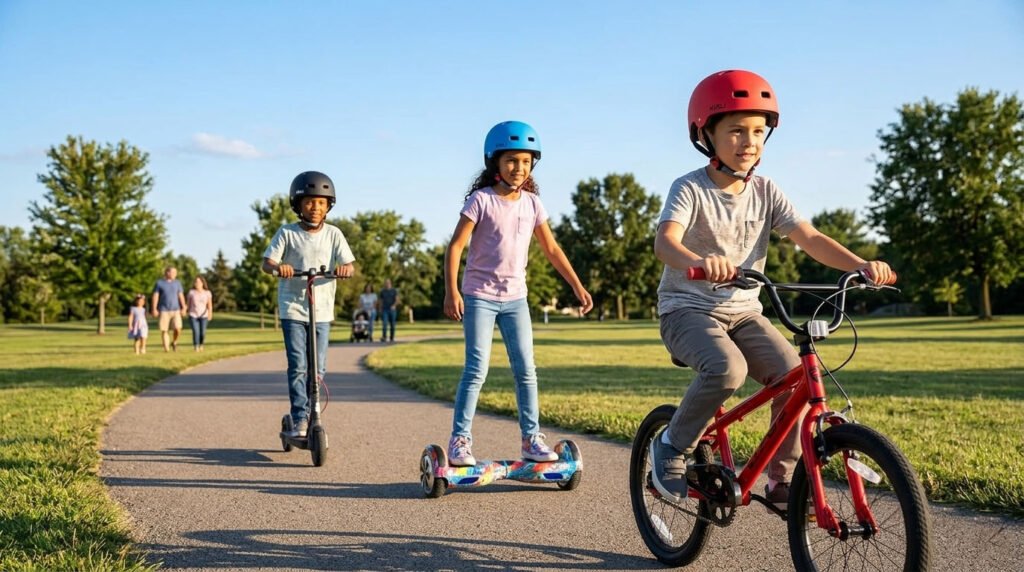
Getting your kids outdoors on e-scooters, hoverboards, or bikes is one of the best ways to keep them active and off screens. But as any parent in Australia knows, with speed comes the need for serious protection. Whether they are zipping down the driveway on a hoverboard or heading to school on an e-bike, their safety starts with what’s on their head.
In this guide, we’re breaking down everything you need to know about choosing the right gear, staying compliant with Australian laws, and making sure your little legends stay safe while having the time of their lives.
The “Big Three”: Why One Helmet Doesn’t Always Fit All
You might think a helmet is just a helmet, but different activities put different types of pressure on the gear.
1. The Bicycle Helmet
Traditional bicycle helmets are designed for high-impact protection in a forward-motion fall. They are usually lightweight with plenty of vents to keep kids cool during a long ride around the local park.
2. The Skateboard Helmet
Unlike bike helmets, a dedicated Skateboard Helmet often features a “multi-impact” design. Skateboarding and hoverboarding involve more frequent, low-speed tumbles. These helmets sit lower on the head to protect the back of the skull (the occipital bone), which is vital if a child slips backward off a hoverboard.
3. The Kids Escooter Helmet
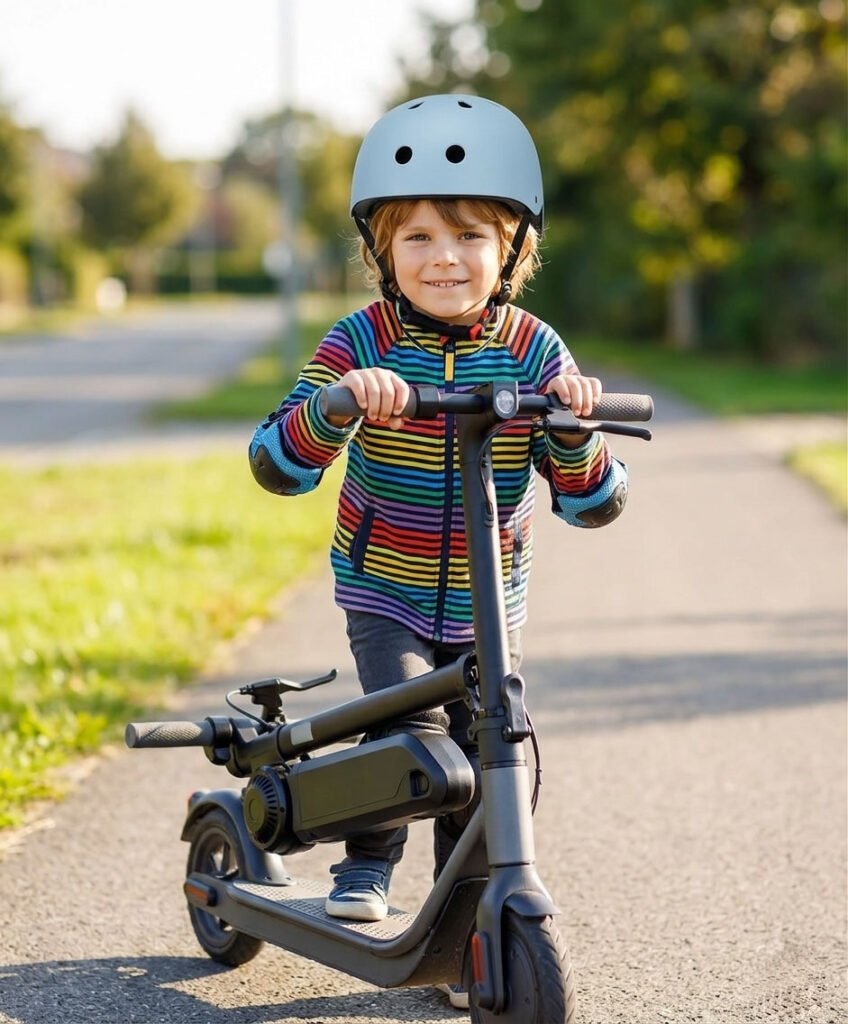
E-scooters can go significantly faster than a standard kick scooter. When your child is on an electric device, you need a helmet that combines the ventilation of a bike helmet with the rear-head coverage of a skate helmet.
Why Hoverboards and E-Scooters Require Extra Caution
Hoverboards are notorious for the “slip-out” factor. One moment your child is balanced, and the next, the board shoots forward, and they fall backward. This is why a standard bicycle helmet, which often lacks rear coverage, isn’t always the best choice for hoverboarding.
Similarly, e-scooters and e-bikes carry more momentum. In Australia, the laws regarding electric personal mobility devices (PMDs) are strict. In most states, including Victoria, NSW, and Queensland, wearing an approved helmet is not just a safety tip, it’s the law.
Top Tips for Helmet Safety
1. The “Two-Finger” Rule
A helmet only works if it fits.
- The Forehead: The helmet should sit level on the head and low on the forehead, about two finger-widths above the eyebrows.
- The Straps: The side straps should form a ‘V’ shape just under the ears.
- The Chin: Once buckled, only about one or two fingers should fit between the chin and the strap. If the helmet rocks back and forth, it’s too loose.
2. Check for the Australian Standard
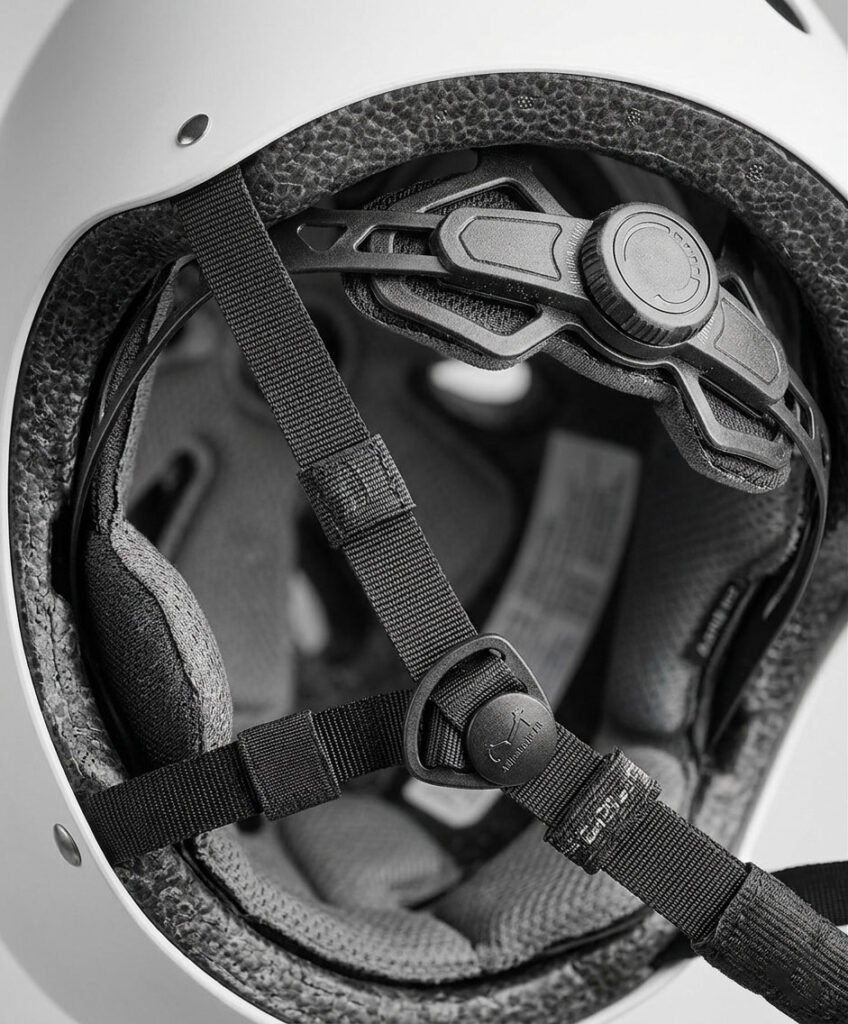
Always look for the AS/NZS 2063:2008 sticker inside the helmet. This ensures the helmet has been tested to withstand the specific impacts regulated by Australian safety authorities.
3. Replace After a Crash
Helmets are “one-and-done” items. The foam inside (EPS) is designed to compress and absorb energy during an impact. Even if the helmet looks fine on the outside after a fall, the internal structure may be compromised. If your child has a significant tumble, it’s time for a new one.
Making Safety “Cool”
The biggest hurdle for parents is often getting the kids to actually want to wear their gear. The secret? Let them choose the style. Modern designs, like the Bicycle Helmet and Skateboard Helmet options available today, come in matte finishes and sleek shapes that look more like professional gear than “safety equipment.”
Beyond the Helmet: Other Essential Gear
While the head is the priority, don’t forget the “knees and trees” (elbows!). If your child is a beginner on a hoverboard or e-scooter, consider:
- Wrist Guards: Crucial for hoverboarding where “bracing for impact” often leads to wrist strains.
- Knee and Elbow Pads: Protects against the inevitable grazes and “road rash.”
- High-Vis Clothing: If they are riding near roads or at dusk, a bright vest or reflective strips on their backpack make a world of difference.
Summary: Play Hard, Stay Safe
At the end of the day, we want our kids to enjoy the freedom that comes with electric scooters and bikes. By investing in a high-quality kids escooter helmet, you aren’t just following the law, you’re giving yourself peace of mind and giving them the best protection possible.
Stay safe out there, and enjoy the ride!